
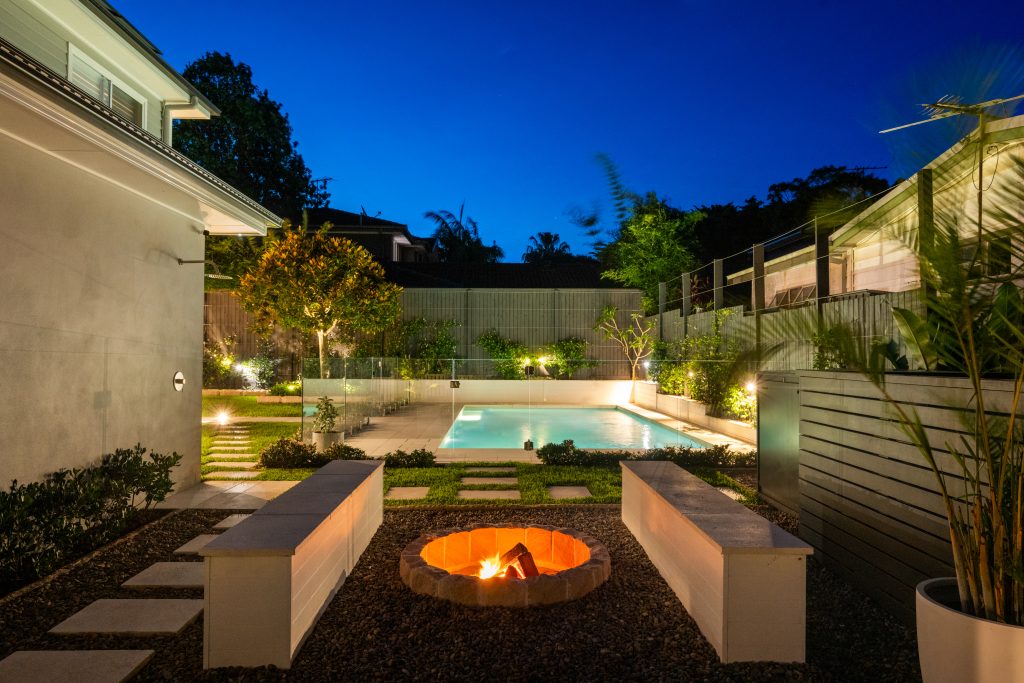
Creating your dream garden doesn’t have to happen all at once.
For many homeowners, completing an entire landscape in a single project isn’t practical or necessary. Staged garden landscaping allows you to spread the investment over time while working towards a cohesive and beautifully finished outdoor space.
The key is to plan the whole garden from the beginning, even if you intend to complete the work gradually.
Start With a Master Plan
Before you begin any landscaping work, think about how you want your garden to look and function when it is complete.
A master plan gives you a clear direction and helps each stage work with the next. Our landscape design process can help you consider important elements such as paving, decking, retaining walls, garden beds, irrigation and planting from the outset.
Planning ahead can also prevent you from having to remove or alter completed work later.
Prioritise the Essential Work
Once you have an overall plan, decide which elements you need to tackle first.
Your first stage might include:
- Site preparation and excavation
- Drainage
- Retaining walls
- Soil improvement
- Garden bed preparation
These elements create the foundation for the rest of your garden.
You can then move on to landscape construction, including paving, decking, paths, steps or a pool surround.
By completing the work in the right order, you can make steady progress while keeping your overall design on track.
Add Planting and Features Over Time
Once you establish the main structure of the garden, you can introduce planting, irrigation and other finishing elements.
You might add trees, hedges, shrubs and garden beds as part of a later stage. Outdoor lighting, water features or fire pits can also wait until your budget allows.
This approach lets you enjoy improvements to your outdoor space while you continue working towards the bigger vision.
Plan Each Stage With the Next One in Mind
Good planning plays an important role in successful staged landscaping.
Without an overall plan, you could find yourself moving plants, changing irrigation or removing completed paving when you introduce a new feature. These changes can add unnecessary cost and disruption.
Instead, think about the long-term garden while making decisions about each stage.
For example, if you know you want outdoor lighting in the future, consider where cabling and connections may need to go before you complete surrounding areas. If you plan to add more garden beds later, consider how the existing planting and irrigation will work with them.
Planning ahead can help you avoid costly rework.
Make Your Budget Work Harder
Staging your landscaping project can also help you decide where to invest your budget first.
You may want to prioritise practical elements such as drainage, retaining walls or an entertaining area, while leaving decorative features or additional planting until later.
This approach gives you flexibility without losing sight of the finished garden.
Rather than trying to complete everything at once, you can focus on the elements that will make the biggest difference at each stage.
Build Your Garden Over Time
A staged approach doesn’t mean compromising on the final result.
With a clear plan, you can create a garden that looks cohesive and functions well, even when you complete the work over several years.
Whether you’re planning a complete garden transformation or gradually improving an established outdoor space, thoughtful planning can help you make the most of your investment.
At Abloom Landscapes, we combine landscape construction and horticultural expertise to create outdoor spaces that look beautiful, function well and stand the test of time.
Planning your garden in stages? Our team can help you develop a considered approach that works towards your long-term vision.
Get in touch with Abloom Landscapes to discuss your garden and how we can help bring your ideas together.